
How Hot Foil Stamping Works
Understand the machine, die, heat, pressure, foil, and substrate basics behind clean foil stamped impressions.
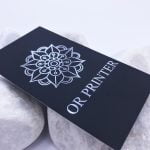
Hot foil stamping combines a heated die, foil, pressure, and the right substrate to create crisp metallic or pigmented impressions. The process is popular for packaging, business cards, stationery, labels, leather goods, presentation covers, and premium promotional products because it adds strong visual impact without requiring a full-color print effect.
The basic process
- The machine heats the die to the correct temperature.
- The foil is positioned between the die and the substrate.
- Pressure transfers the foil coating onto the material in the shape of the die.
- Good alignment, dwell time, pressure, and temperature all affect the final result.
Why the die matters
The die carries the exact artwork that will be stamped. Clean line work, proper depth, correct sizing, and the right material choice help improve transfer quality and repeatability. Magnesium dies are a practical choice for many foil stamping jobs and are commonly used for packaging, stationery, and promotional work.
Why machine setup matters
Foil transfer is affected by heat, pressure, dwell time, foil type, substrate surface, and registration. Small changes can make a visible difference, which is why tutorials and operator experience matter so much when moving from testing into production.